
Shopping Cart

Tights are an element of clothing that many women from all over the world appreciate. They are used both for everyday wear and for sports, as well as for special occasions. Some tights models also help visually slim the figure and improve blood circulation in the legs. It is worth taking a look at what to look for when choosing tights for yourself or as a gift.
People have been using textiles worn on their feet since ancient times. Even elegant socks that were made thousands of years ago were found in an Egyptian tomb. However, in the past, all items of clothing were made by hand, with a great deal of time and work. As a result, individual pairs of tights or socks were expensive and available only to the chosen ones.
Tights are great for cold weather, helping to warm the body. An additional layer of clothing on the legs keeps you warm and helps you quickly and easily put together an outfit "like an onion". For winter, it is worth choosing thicker tights den 80-120, due to their better thermal properties.
In turn, the elegant design of some models makes classic women's tights or fishnet stockings a great addition to an evening outfit. Because the garment covers the legs, it can be worn with a short or transparent dress, while maintaining a modest and classic look. Unlike airy stockings, warm tights are also suitable for going out on cold, winter days. Their solid construction means that you don't have to protect them and watch them so that the tights don't get damaged or wink.
Tights can also be worn every day, as the multitude of interesting patterns allows them to be matched to any outfit. When choosing the right pair for yourself, it is worth paying attention to colorful models with fancy patterns that will give character to every lady.
The offer of women's tights will also include interesting models designed specifically for the bride. The Adrian company has designed several such products with an elegant and timeless design. Stylish wedding tights are characterized by a white shade, attractive patterns and a delicate material that emphasizes the beauty and charm of the bride. Their universal style means that they match many models of wedding dresses.
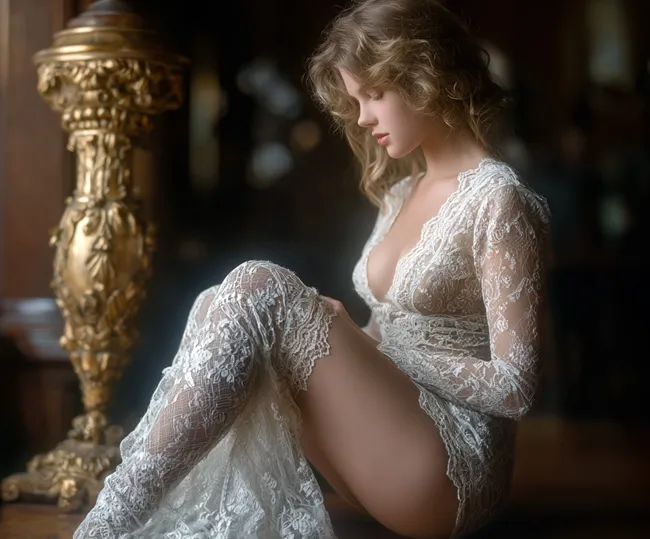
It is also worth paying attention to the variety of patterns on tights. A delicate herringbone pattern leads the eye along the legs, which make them appear longer and slimmer than they actually are. On the other hand, a slim woman who wants to show off her feminine shapes can use tights with floral patterns, stars, hearts and spots, or dots.
Plus size ladies can also feel stylish and comfortable. NOQ, Adrian and Fiore offer specially designed Size Plus (Size++) tights that provide comfort and a beautiful look regardless of size. These models were created for women with curves who want to look attractive and feel comfortable every day.
Thanks to the right cut, elastic fibers and reinforced construction, plus size tights perfectly fit the figure, do not squeeze and do not slip when worn. Regardless of whether you are looking for smooth tights for everyday, elegant models for dresses or patterned tights for special occasions - you will easily create an attractive and feminine styling with them.
Because every woman – regardless of size – deserves to feel beautiful and confident in her own skin.
Save products on your wishlist to buy them later or share with your friends.


